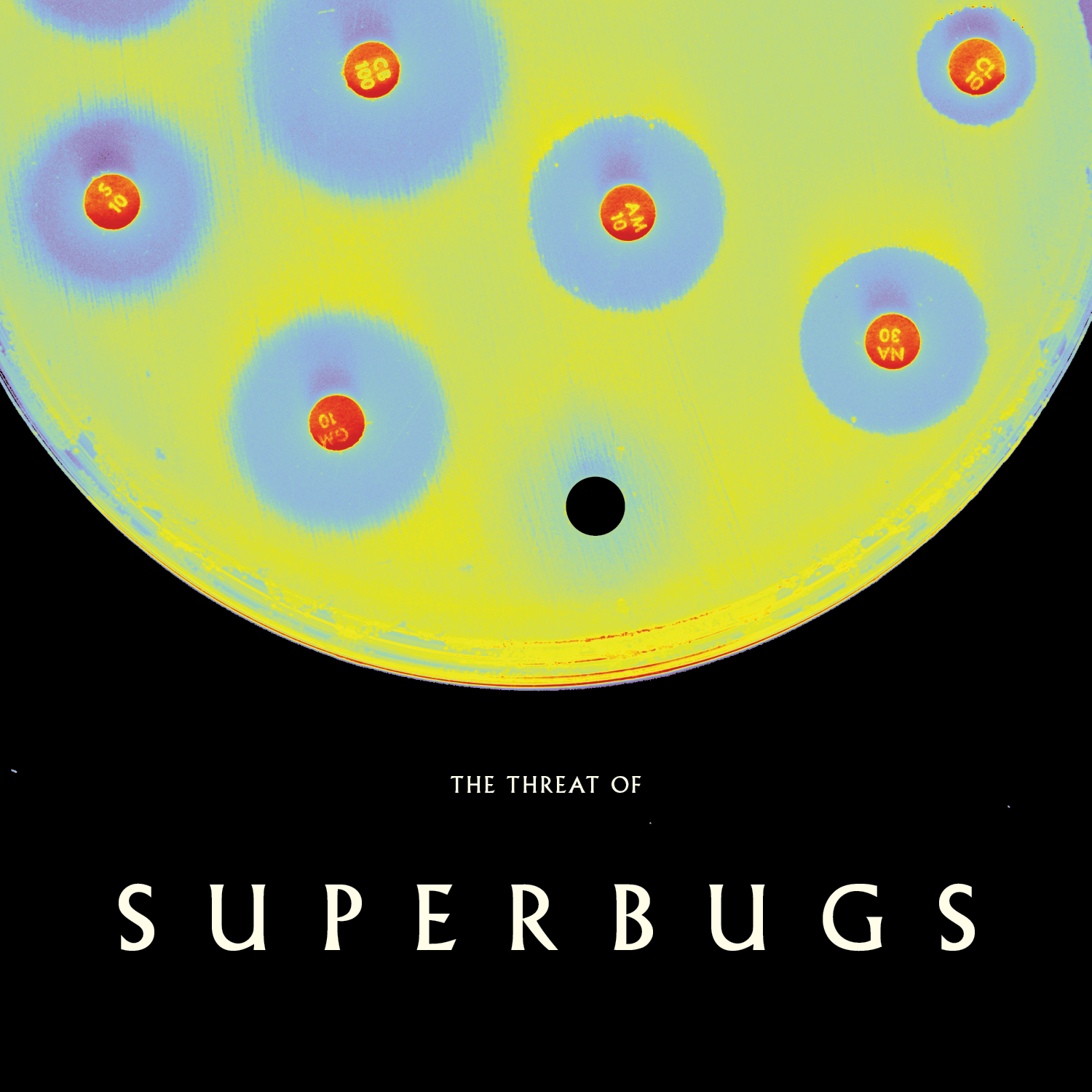
Infectious disease has been a big problem for living things since long before there were humans. Humans have used various medicines for thousands of years to reduce the impact of infectious disease, but the development of antibiotics and other antimicrobial drugs over the last 100 years has been one of the greatest advancements in medicine. These drugs have saved countless lives from otherwise fatal infections. Unfortunately, this good news doesn’t last.
Continue reading “The Threat of Superbugs”
Everyone gets older. With age comes wisdom, but also a long list of possible age-related health problems. From mobility problems to heart disease, to difficulty hearing and seeing, many people are concerned about what will happen to them as they approach old age.
Continue reading “How to be Healthy When You’re Older”
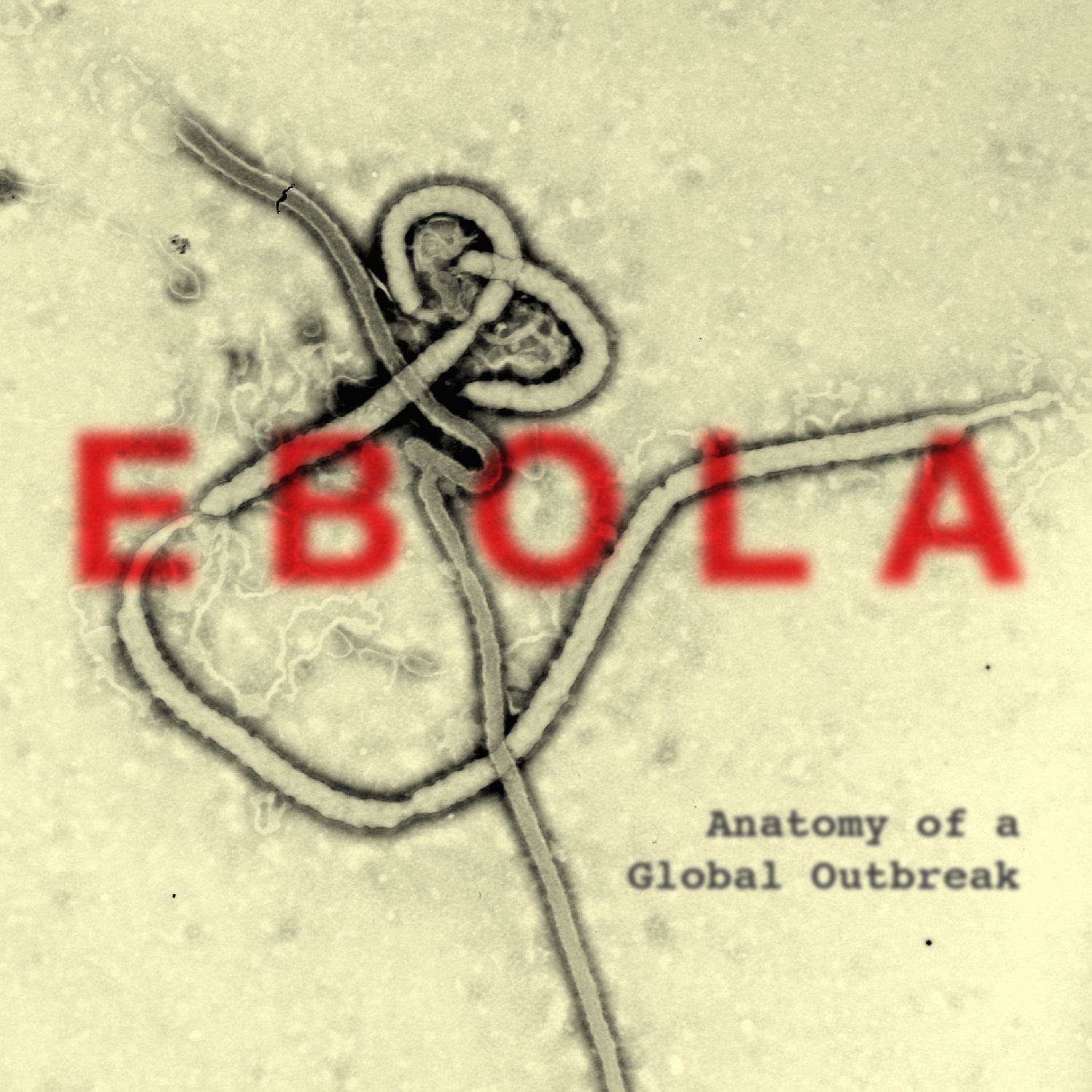
The current Ebola outbreak has claimed thousands of lives and has been declared a “Public Health Emergency of International Concern” by the World Health Organization. The alarming rate of new infections in Guinea, Liberia, and Sierra Leone, and the spread of cases beyond West Africa to the US and Europe, continues to challenge the international community’s existing strategies for controlling the infectious disease. Continue reading “Ebola: Anatomy of a Global Outbreak”

Coinciding with the Transamerica Chicago Triathlon, Dr. Steven McCaw of Illinois State University will bring us the latest research and advances in the science of running. If you are one of the millions of Americans who run for exercise or recreation, you won’t want to miss this event.
Continue reading “Biomechanics: The Science of Movement”

The safety of the food supply has emerged as an important and complex global public health, social, and political issue. Although accurate statistics on the scope of foodborne illness are lacking, the most recent estimates published by the United States Centers for Disease Control and Prevention (CDC) indicate that as many as 48 million cases, 128,000 hospitalizations, and 3,000 deaths are caused by foodborne illness each year in the U.S.
Continue reading “I.F.S.H. – Is This Safe to Eat?”