Addiction is one of the most common forms of mental illness in the world. Tens of millions of Americans, and over a quarter of a billion people worldwide, have an addiction to drugs or alcohol. Everyone who has watched a loved one suffer from addiction wonders, “Why are they acting like this? Why can’t they stop?” And people with addictions wonder the same things about themselves. Many people think of addiction as a moral failing, or as a conscious choice—neither belief is supported by scientific evidence.
Continue reading “The Science of Addiction”
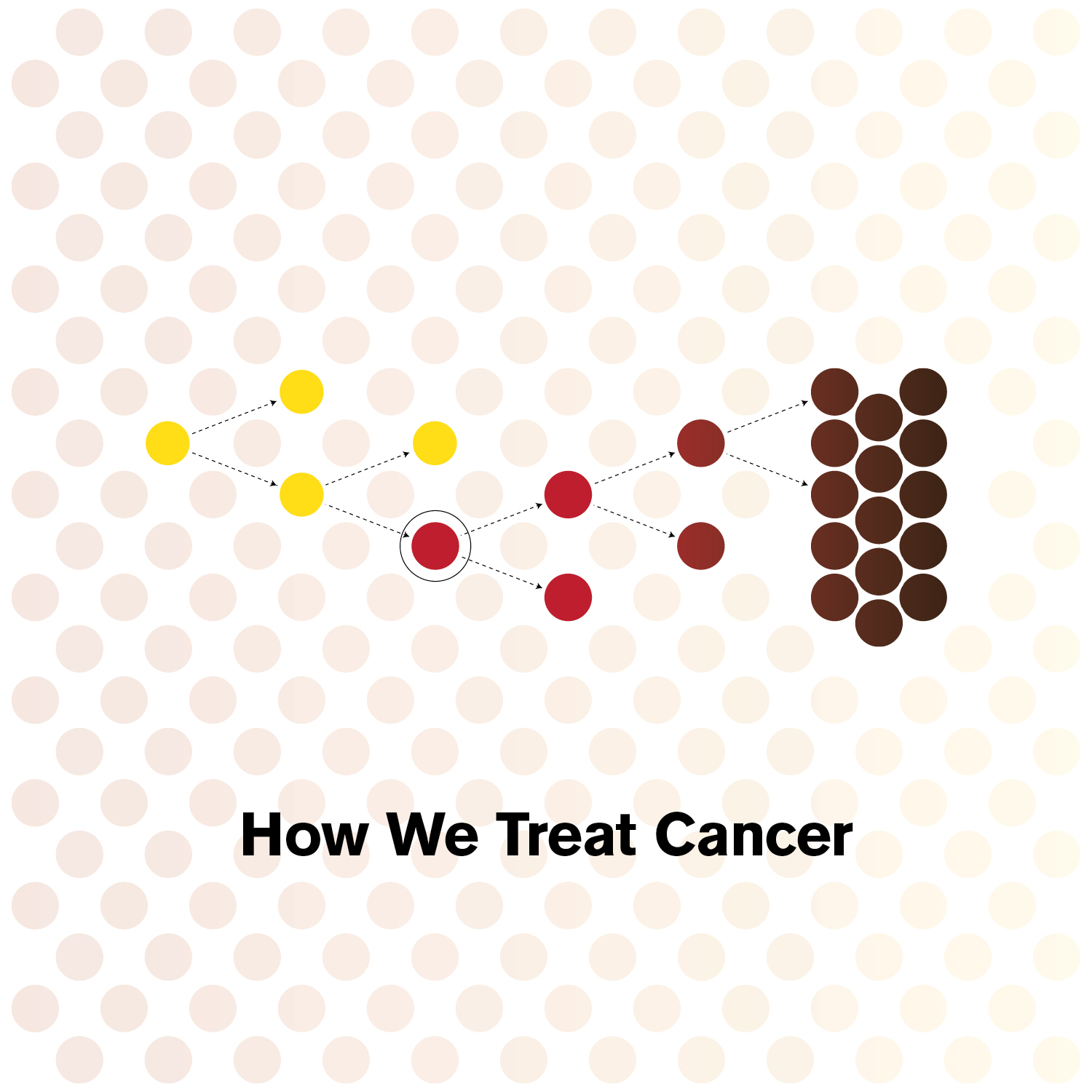
Cancer is scary. We all know someone who has battled cancer. Cancer is the second most common cause of death in the United States, killing a half million people of all ages nationwide each year. For many, simply being diagnosed with cancer can feel like a death sentence.
Continue reading “How We Treat Cancer”
Seasonal changes in temperature and light impact our moods and can cause serious impairment to our everyday functioning. But, how does the weather outside impact what happens inside our bodies? The answer to that question depends on what type of “weather personality” we have. While some of us thrive in sunlight and feel better in warm temperatures, most of us are able to cope with fluctuations in the weather and seasons by using adaptive coping skills. Continue reading “C2ST Speakeasy: “Feeling Down? Maybe it’s the Season” with Dr. Jocelyn Carter”
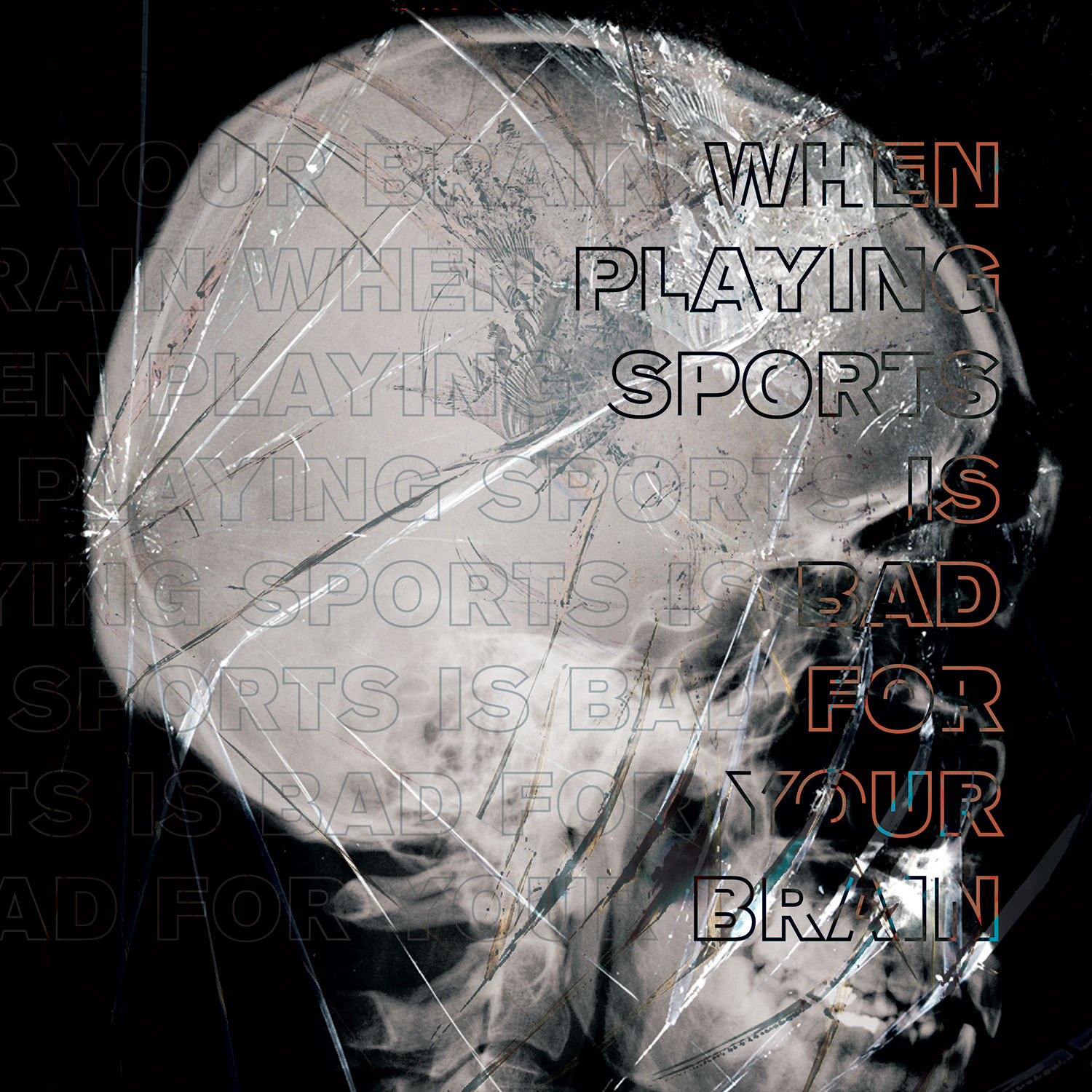
Brain injuries are in the news a lot these days. The NFL has been involved in a number of lawsuits involving traumatic brain injuries among players. Research suggests that as many as 1 in 3 professional football players could develop symptoms of Chronic Traumatic Encephalopathy as the result of concussions sustained during their careers. These injuries are not limited to football players – hockey, boxing, rugby, and soccer all carry their own risks of permanent brain injury.
Continue reading “When Playing Sports is Bad For Your Brain”