Star Trek is a story of exploration that has fascinated us for more than 50 years.
The myriad writers, directors, artists, and technicians responsible for pop culture mega franchises like Star Trek, Star Wars, and the Marvel Universe are arguably some of the most creative of our time. But how do these imagined tech advances and innovations hold up IRL and the ever-ready-to-pick-it-apart nerd community? And can physics and science (as we currently understand them) explain the phenomena seen in the franchise? This is where the scientists come in!
The Chicago Council on Science and Technology (C2ST) will discuss the theme of human exploration and show that, although we cannot change the laws of physics, we have come a long way in understanding them and, perhaps, to applying our knowledge to changing the present and future! C2ST is joined by Trek enthusiasts Dr. Voula Saridakis of the Museum of Science and Industry and Dr. Dirk Morr of the University of Illinois at Chicago. They’ll go over just how much science there is in the science fiction of Star Trek and give us a look at some real scientific discoveries inspired by Star Trek!
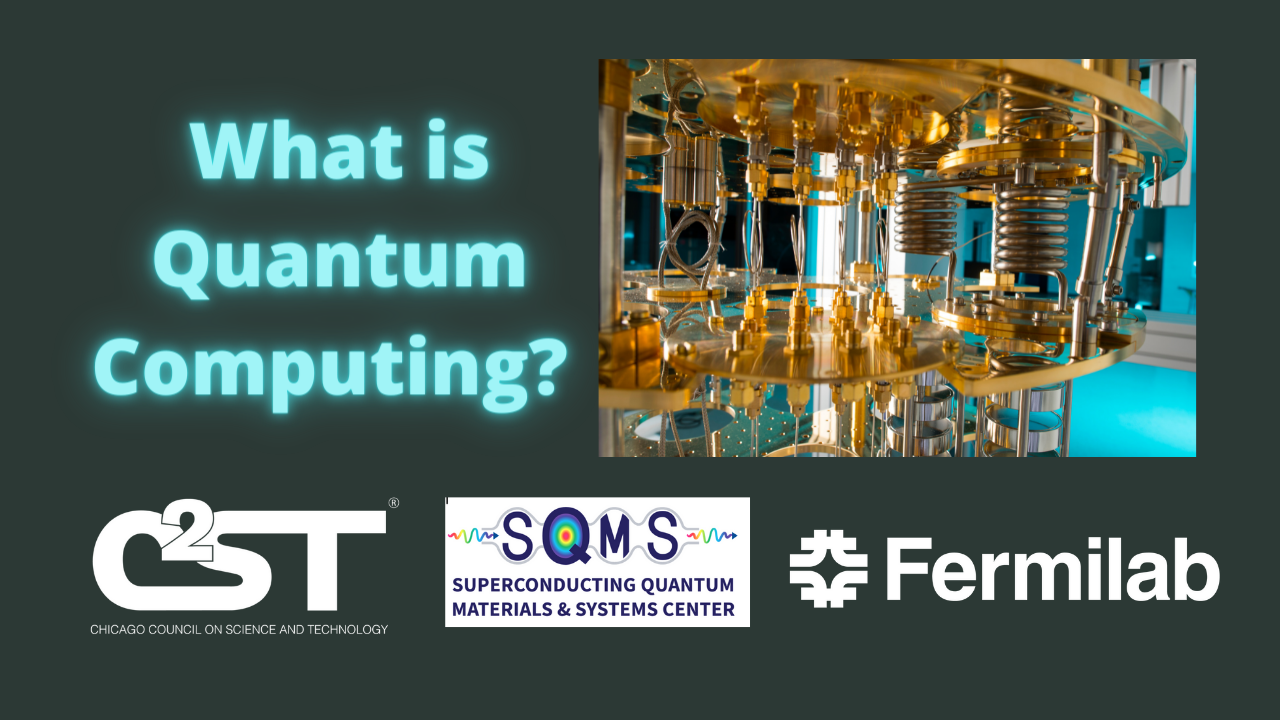
Quantum computing is a type of computation that harnesses the collective properties of quantum states–, such as superposition, interference, and entanglement–, to perform calculations. The devices that perform these quantum computations are known as quantum computers.
Continue reading “What is Quantum Computing?”

This program is part of the IIT Distinguished Lectureship Series (VIRTUAL).
Hydrocarbon products derived from horizontal drilling and hydraulic fracturing of shale formations (shale gas and shale oil) have greatly expanded U.S. oil and natural gas production, and have made the United States the world’s largest natural gas and petroleum producer. Collectively, these resources have transformed North America’s energy landscape. Continue reading “Increased Oil and Natural Gas Production, Methane Emissions, and Climate”
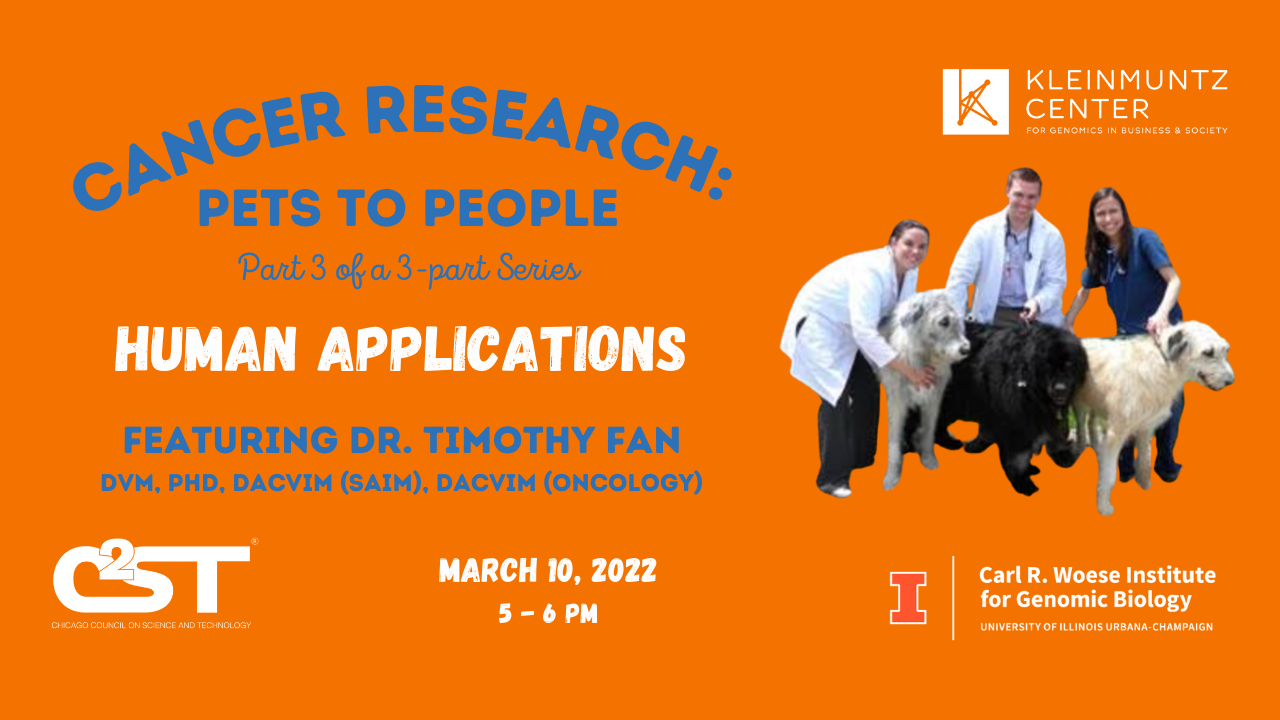
Join C2ST and the Carl R. Woese Institute for Genomic Biology (IGB) for Anticancer Discovery from Pets to People (ACPP), a limited series detailing the latest in cutting-edge research conducted at the University of Illinois Urbana Champaign (Illinois). Learn how the analysis of cancers in pet dogs and cats can help identify promising new anticancer drugs for humans. Dr. Timothy Fan, a veterinary oncologist, and cancer researcher, will walk us through the work being done at the Comparative Oncology Research Laboratory on a subject that has far-reaching implications for the human and animal worlds.
The third program will focus on human applications.
Continue reading “Cancer Research – Pets to People: Human Applications”
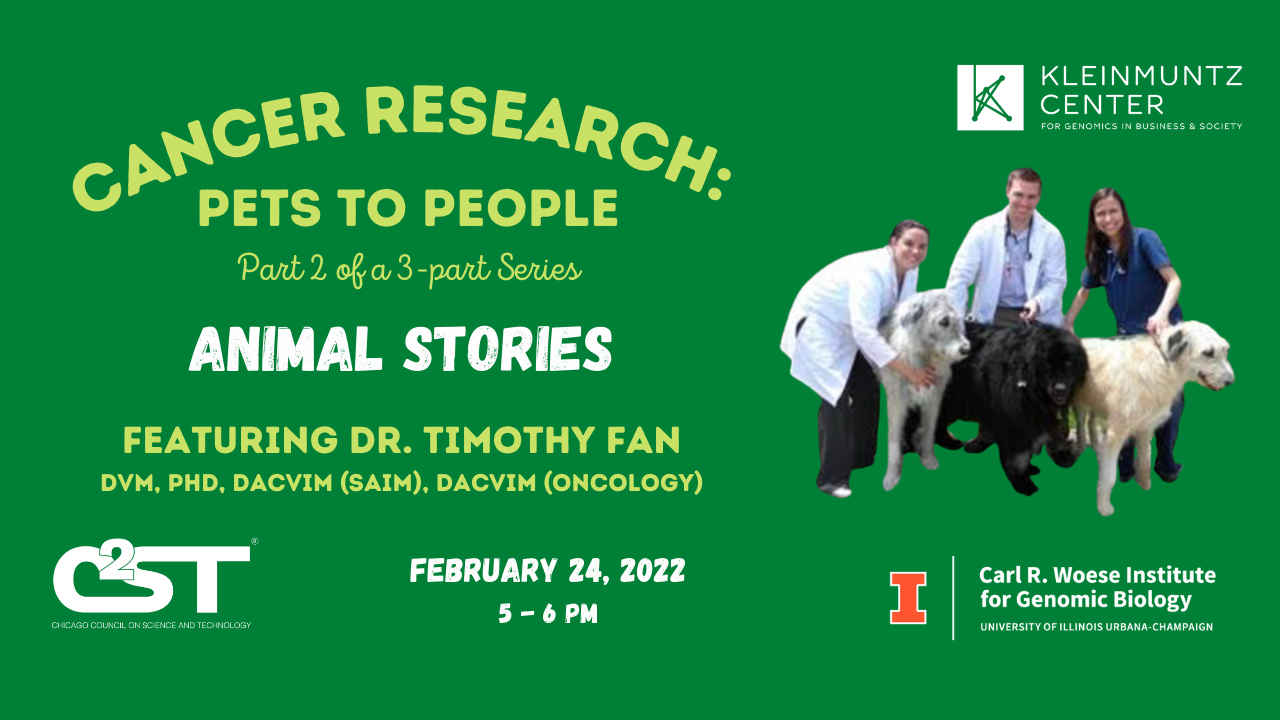
Join C2ST and the Carl R. Woese Institute for Genomic Biology (IGB) for Anticancer Discovery from Pets to People (ACPP), a limited series detailing the latest in cutting-edge research conducted at the University of Illinois Urbana Champaign (Illinois). Learn how the analysis of cancers in pet dogs and cats can help identify promising new anticancer drugs for humans. Dr. Timothy Fan, a veterinary oncologist, and cancer researcher, will walk us through the work being done at the Comparative Oncology Research Laboratory on a subject that has far-reaching implications for the human and animal worlds.
The second program will explore animal case studies.
Continue reading “Cancer Research – Pets to People: Animal Stories”