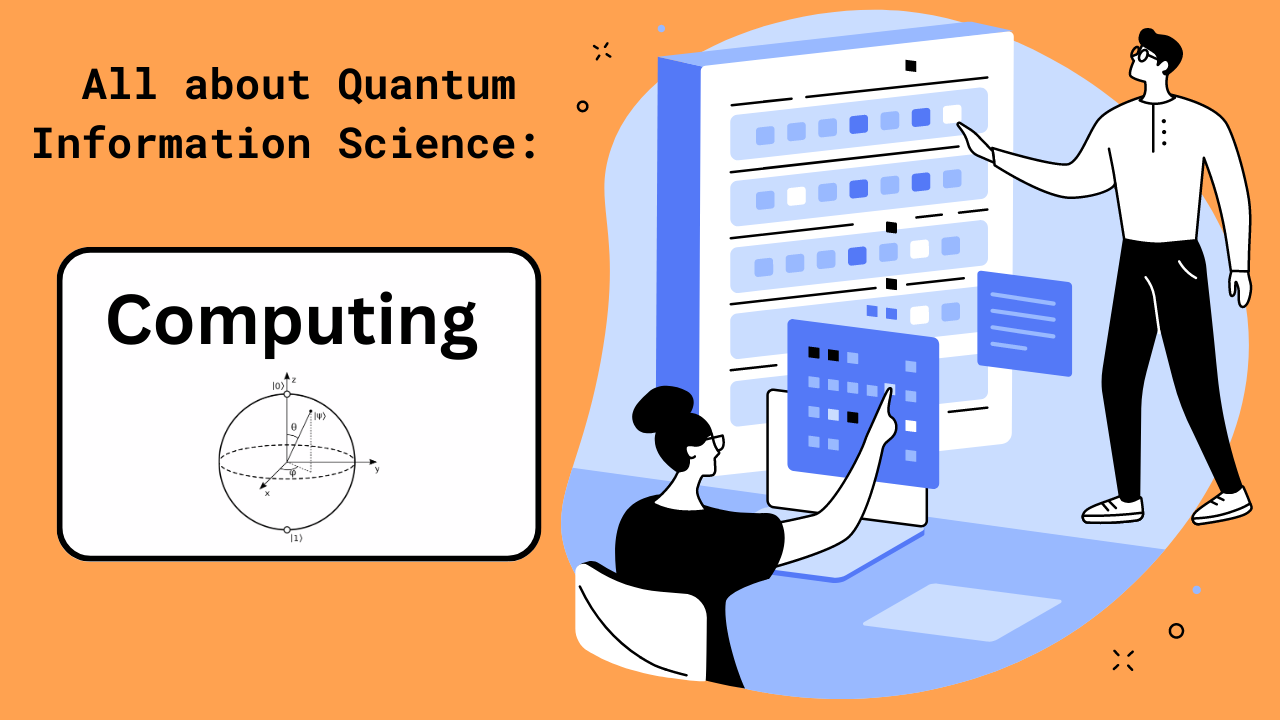
When you hear the word “quantum,” does your mind jump immediately to science fiction? Well, our everyday reality is quickly catching up to what was make-believe! Quantum information science studies matter and energy at the most basic level. Researchers in the field aim to uncover the properties and behaviors of the very building blocks of nature.
Quantum information science (QIS) is an emerging field that spans computation, communication, precision measurement, and fundamental quantum mechanics. Quantum discoveries have been incorporated into our foundational understanding of materials, chemistry, biology, and astronomy. QIS is viewed through three main areas:
- Quantum Computing
- Quantum Communication
- Quantum Sensing
Continue reading “All About Quantum Information Science: Computing”

Why do certain groups have stronger protection against aging than others? What are neuroscientists discovering about aging and dementia? What are the clinical implications of aging with HIV infection? Is heart disease inevitable with aging?
Longevity research has transformed in recent years:
- Our focus has shifted from prolonging lifespan and instead we are looking to extend something called “healthspan”.
- Scientists have identified genetic variants in certain groups of people that slow their aging process
- The way we measure age has changed.
With 95 million Americans expected to be 65 or older by 2060 (nearly a quarter of the population), the science of longevity has become more critical to our individual and collective future. Join us to learn about new developments in the study of aging, how people are prolonging their “healthspan,” and much more!
Resources to explore:
How do Latine people negotiate their various identities while navigating the STEM world? What methods can we employ to imagine a different STEM landscape–one that is free from the barriers that Latine people face in STEM? How can we foster transformative, critical thinkers within the Latine/x community to best equip them with the challenges they will face should they choose to pursue STEM?
Continue reading “Latinidad and STEM: Navigating the Landscape”
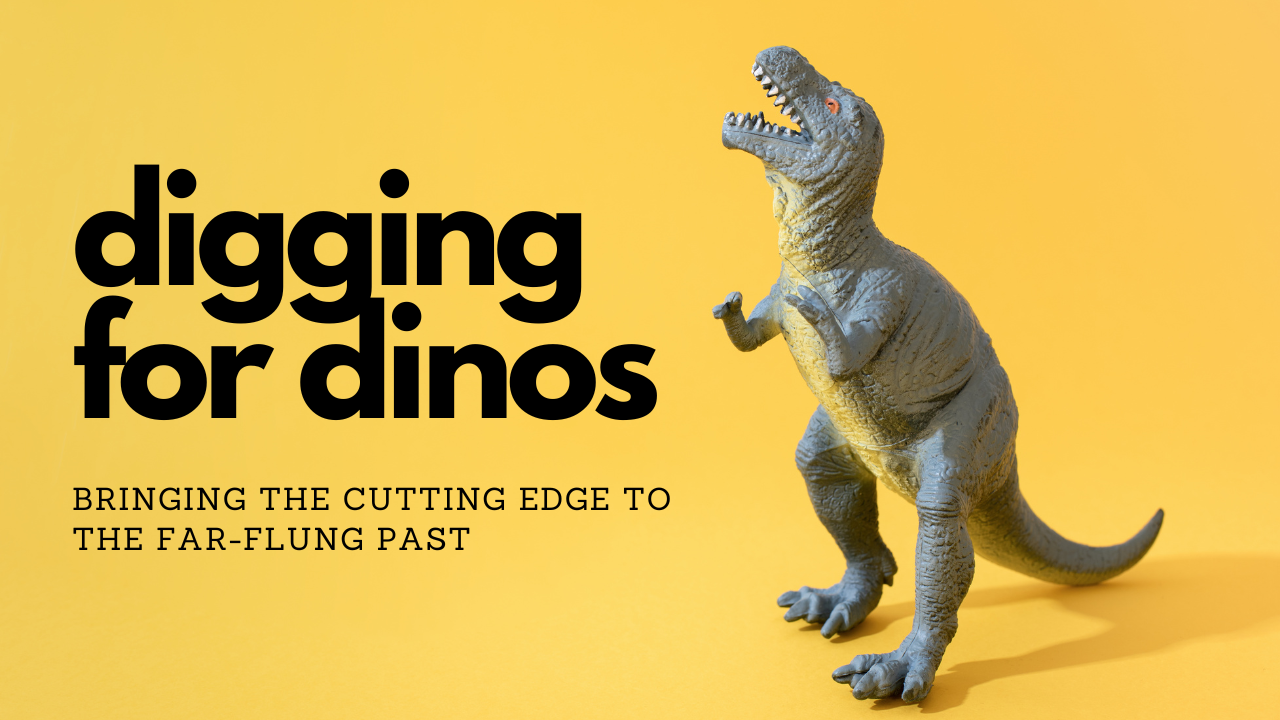
Dinosaurs have captured the imaginations of children and adults for generations. In 1993, dino-fever soared to new heights with the release of Steven Spielberg’s classic science fiction film Jurassic Park (based on Michael Chrichton’s novel of the same name). Since then, there have been five more Jurassic Park films and a slew of comic books, video games, and toys. Dinosaurs show no signs of stopping as they stampede through our collective imagination. Continue reading “Digging for Dinos: Bringing The Cutting Edge To The Far Flung Past”
Networking and refreshments in person only from 4 – 5 pm. The live-stream portion of the program will run from 5 – 6 pm.
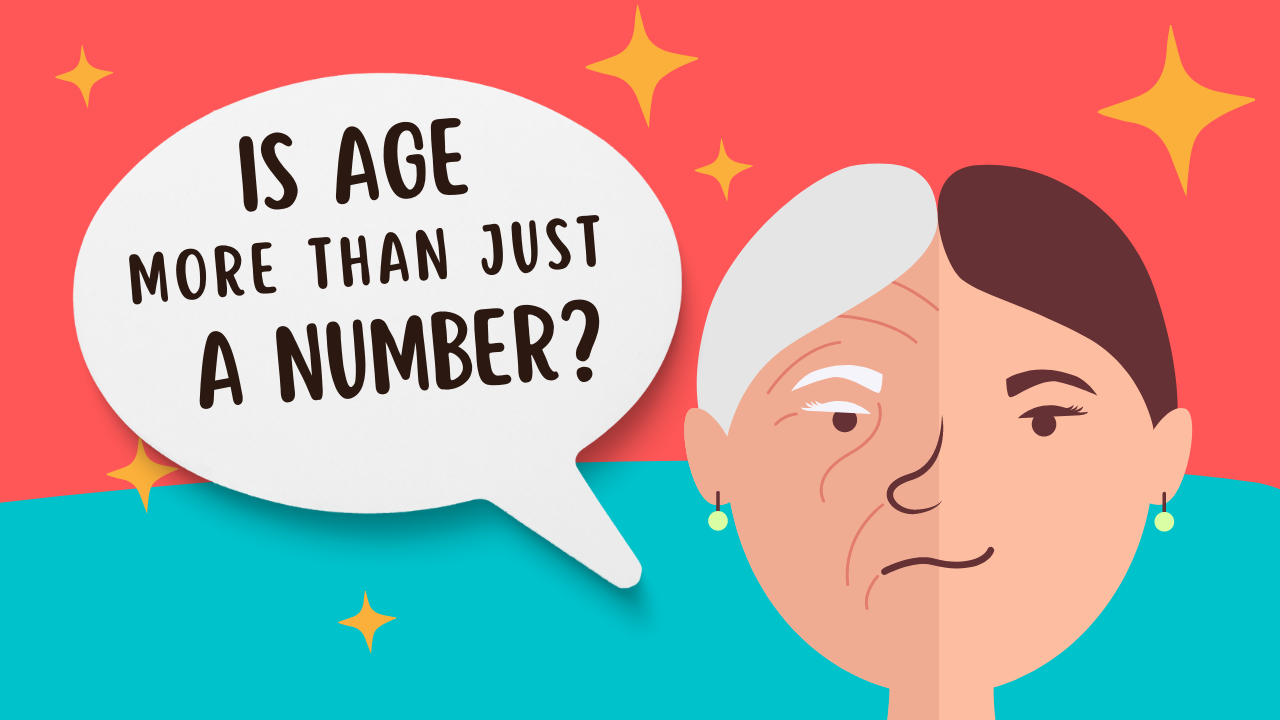
What is the difference between chronological age and biological age? How is biological age measured? Humans have accepted cognitive decline, heart disease, and some cancers as a necessary part of the aging process for generations, but is this really the case?
Continue reading “Is Age More Than Just a Number?”
Star Trek is a story of exploration that has fascinated us for more than 50 years.
The myriad writers, directors, artists, and technicians responsible for pop culture mega franchises like Star Trek, Star Wars, and the Marvel Universe are arguably some of the most creative of our time. But how do these imagined tech advances and innovations hold up IRL and the ever-ready-to-pick-it-apart nerd community? And can physics and science (as we currently understand them) explain the phenomena seen in the franchise? This is where the scientists come in!
The Chicago Council on Science and Technology (C2ST) will discuss the theme of human exploration and show that, although we cannot change the laws of physics, we have come a long way in understanding them and, perhaps, to applying our knowledge to changing the present and future! C2ST is joined by Trek enthusiasts Dr. Voula Saridakis of the Museum of Science and Industry and Dr. Dirk Morr of the University of Illinois at Chicago. They’ll go over just how much science there is in the science fiction of Star Trek and give us a look at some real scientific discoveries inspired by Star Trek!