By Stephanie Sorich, C2ST Correspondent
Nervous laughter, or laughing when we feel uncomfortable, is likely not a behavior you think of when you think of successful socialization. It often slips out without us realizing it, a half-hearted “heh” disguised as social agreeability that we later shake our heads at on the drive home. So why do we do it?
Dr. Esther Yoon— or just Esther, as she prefers— is a licensed clinical psychologist at Northwestern Medicine who specializes in behavioral medicine. When asked about nervous laughter, she was quick to emphasize just how normal it actually is.
Continue reading “Science of Everything: Nervous Laughter”
By Alexian Heynez, C2ST Intern, Waubonsee Community College
When gene editing comes up, most people probably think about Marvel super soldiers like Captain America or the way that Jurassic Park brought back dinosaurs. Although these are some theoretical applications of gene editing and quite outlandish compared to what gene editing actually can do, they reflect the general public’s perception of this technology as a powerful paradigm-shifting one. The ability to artificially modify the DNA of living beings has massive implications, which is why scientists are having many intense conversations about when, where, and if we should use it. Join me in an exploration of the current state of gene editing technology and the ethical conversation surrounding its use.
Continue reading “CRISPR: Genetic Scissors, Scientists are Editing Genes?”

By Ezewani Nkwo, C2ST Intern, Northern Illinois University
Football culture at elite levels, such as the NFL and major college programs, heavily depends on protein. It is common in team nutrition programs, post-workout meals, and protein smoothies in the locker room. However, it’s not as straightforward as “more is better” when it comes to performance. All levels of athletes should be aware of the advantages and disadvantages of protein.
Continue reading “Pros and Cons of Protein in American Football”
By Lindsey Ramirez, PhD, C2ST Correspondent
It’s February in Chicago, but today you ditch your winter coat and grab your shorts. Climate change has made unseasonably warm days like this common. While it is a pleasant surprise after a harsh winter, “climate change influences the probability and intensity of certain weather events” says Aaron Dernbaugh, the Director of the Office of Sustainability at Loyola University. These events include heat waves, droughts, hurricanes, strong winds, heavy rainfall, floods, and wildfires. Imagine dropping a rock in Lake Michigan and observing how far the ripples travel. The same idea applies to climate change — drought in California leads to wildfires and the smoke affects our air quality in Chicago. Continue reading “Science of Everything: What Can an Individual Do About Climate Change?”
By Alexian Heynez, C2ST Intern, Waubonsee Community College
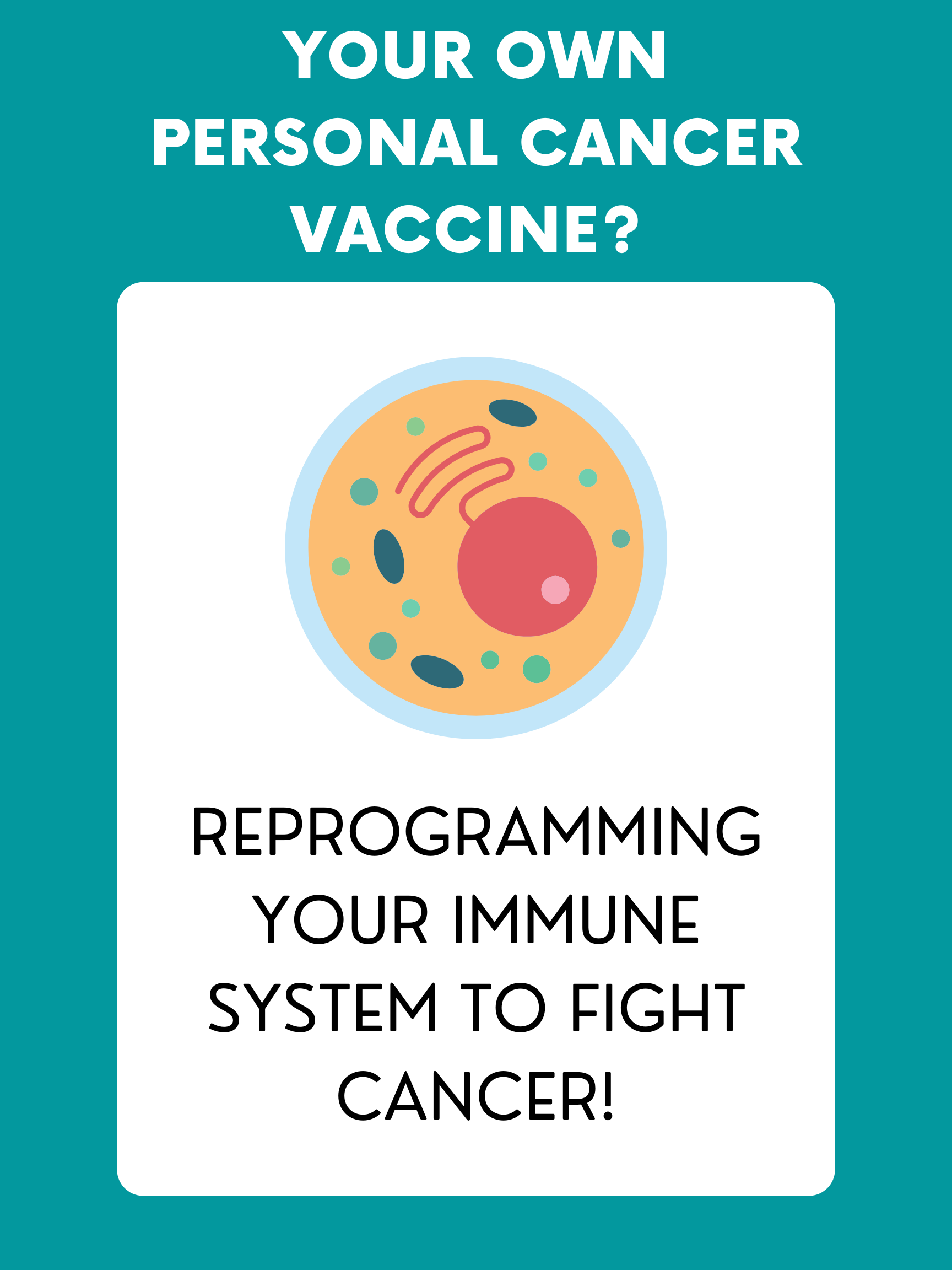
Cancer is definitely one of the scariest diagnoses someone can hear from their doctor. One of the major contributors to the fear around cancer treatment is our reliance on treatments like chemotherapy and invasive surgeries to treat tumor development, with no guarantee that it won’t come back. These procedures weigh heavily on our bodies because of their more general and indiscriminate approach, which is necessary due to the uniqueness of everyone’s cancer.
Continue reading “Your Own Personal Cancer Vaccine”