Upcoming Events
C2ST achieves its mission by hosting relevant, independent, and credible public STEM programs across all scientific fields at locations throughout Chicagoland. With nine out of ten program attendees’ expectations fulfilled, our supporters agree that C2ST is accomplishing its mission of increasing the public’s understanding of science and technology.
We are dedicated to providing a professional and inclusive environment for everyone, regardless of gender, gender identity and expression, sexual orientation, disability, physical appearance, body size, race, age, or religion. Please be respectful of diversity in individuals and in cultures at our events.
Miss an event? Anyone across the globe can access our STEM program library by visiting our YouTube channel, C2ST TV. Also be sure to follow us on Facebook, where we livestream many of our programs.
Check out below what programs we have planned and discover what we’ve hosted in the past.
Privacy Policy
As a guest of Chicago Council on Science and Technology (C2ST), you agree to be photographed, videotaped, or filmed and grant C2ST permission to put the finished footage/photography to any uses that it may deem proper including marketing, advertising (print, radio, and television) and PR-related activities.
We only have access to/collect information when you sign up for our programs or that you voluntarily give us via email or other direct contacts from you. We will not sell or rent this information to anyone. We will not share your information with any third party outside of our organization.
Filter Events
April 3, 2013
Northwestern University, Chicago Campus, Baldwin Auditorium
303 East Superior Street, Chicago, IL, USA
Program Series:
Technology and Engineering
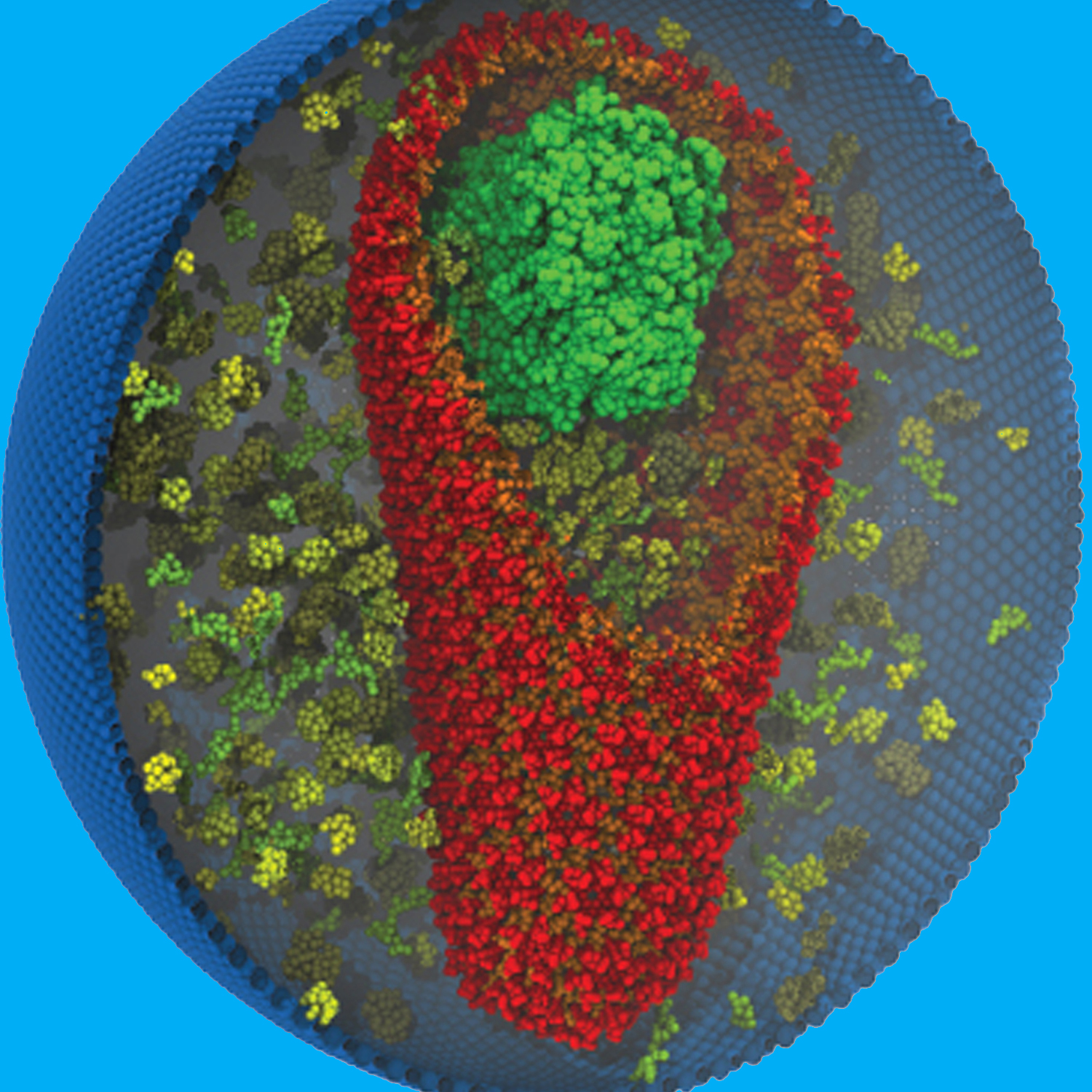
Abstract: Molecular modeling on computers can provide great benefits to society in a wide range of fields, such as medicine and the production and storage of renewable energy. It is a powerful tool that provides a window into the chemical world that is unparalleled in its ability to visualize the nano- and sub-nano environment. Read more…

March 21, 2013
Lincoln Hall, Northwestern University School of Law
357 E Chicago Ave, Chicago, IL, USA
Program Series:
Technology and Engineering
Blame for the Great Recession and America’s halting recovery has been attributed to many factors. But according to a new book, a major culprit has gone unnamed: the United States’ decline in the race for global innovation advantage. A complacent and politically polarized America is fated for a slow, painful transition into a “Rust Nation,” they warn, unless our leaders can muster the will to act.

February 23, 2013
Idea Shop at University Technology Park, Illinois Institute of Technology
3440 S Dearborn St, Chicago, IL 60616, USA
Program Series:
Technology and Engineering
Please join us for this 24-hour developer, designer, and hardware hacking challange. MonkeyBars Spring Build is a Hackathon unlike any Chicago has ever seen. Build is not simply a coding challenge, it is a place where anyone from the hardware hacker to the designer can, with the support and resources from the MonkeyBars team and partners, bring an idea to the realm of reality in just 24 hours.

September 20, 2012
Tribeca Flashpoint Media Arts Academy
28 North Clark Street, Chicago, IL, USA
Program Series:
Technology and Engineering
What: America’s Digital Tomorrow
Where: Tribeca Flashpoint Media Arts Academy
28 North Clark Street, 5th Floor
Chicago, IL 60602
When: Thursday, September 20th
Breakfast reception & registration – 7:30am
Presentation – 8:15am
Media Arts Academy tours – 9: 30am (groups will be assigned)
February 22, 2012
Northwestern University, Chicago Campus, Hughes Auditorium
303 East Superior Street, Chicago, IL, United States
Program Series:
Technology and Engineering
Abstract:
Nanoscale materials have a great potential for positive societal impact. For example synthesized nanoscale materials and systems can be used to create innovative applications and technologies that solve problems in the biological and medical sciences. Read more…

September 13, 2011
Harold Washington Library Center, Cindy Pritzker Auditorium
400 South State Street, Chicago, IL, United States
Program Series:
Technology and Engineering
Over the past half century, high-speed rail (HSR) has emerged as an important component of the intercity passenger transport system, providing both an alternative and a compliment to highway and air transport. The US was once at the forefront of efforts to develop HSR technology, but over the past three decades Asian and European countries have moved ahead and developed extensive and increasingly sophisticated and integrated systems, with maximum speeds on some dedicated HSR lines exceeding 220 mph. Read more…


