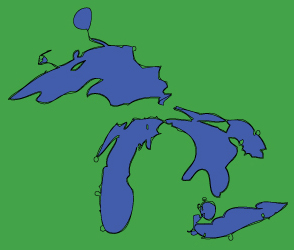
While the effects of climate change will vary across different ecosystems and sectors, the Great Lakes region is expected to experience large changes in climate during the 21st century. Hear about the impacts of these changes on Great Lakes ecosystems and livelihoods and discuss what the region needs to do to adapt to those changes.
Continue reading “Climate Change in the Great Lakes Region”
By the year 2035, it is estimated that our world’s dependent relationship with liquid fossil fuels will reach a staggering 110 million barrels a day, with the largest increase in consumption coming from the current developing world. Increased concern over global climate change and rising competition for dwindling fossil fuel resources will require scientifically advanced and environmentally friendly solutions to solve our worsening energy supply problems.
Continue reading “Future Fuels”
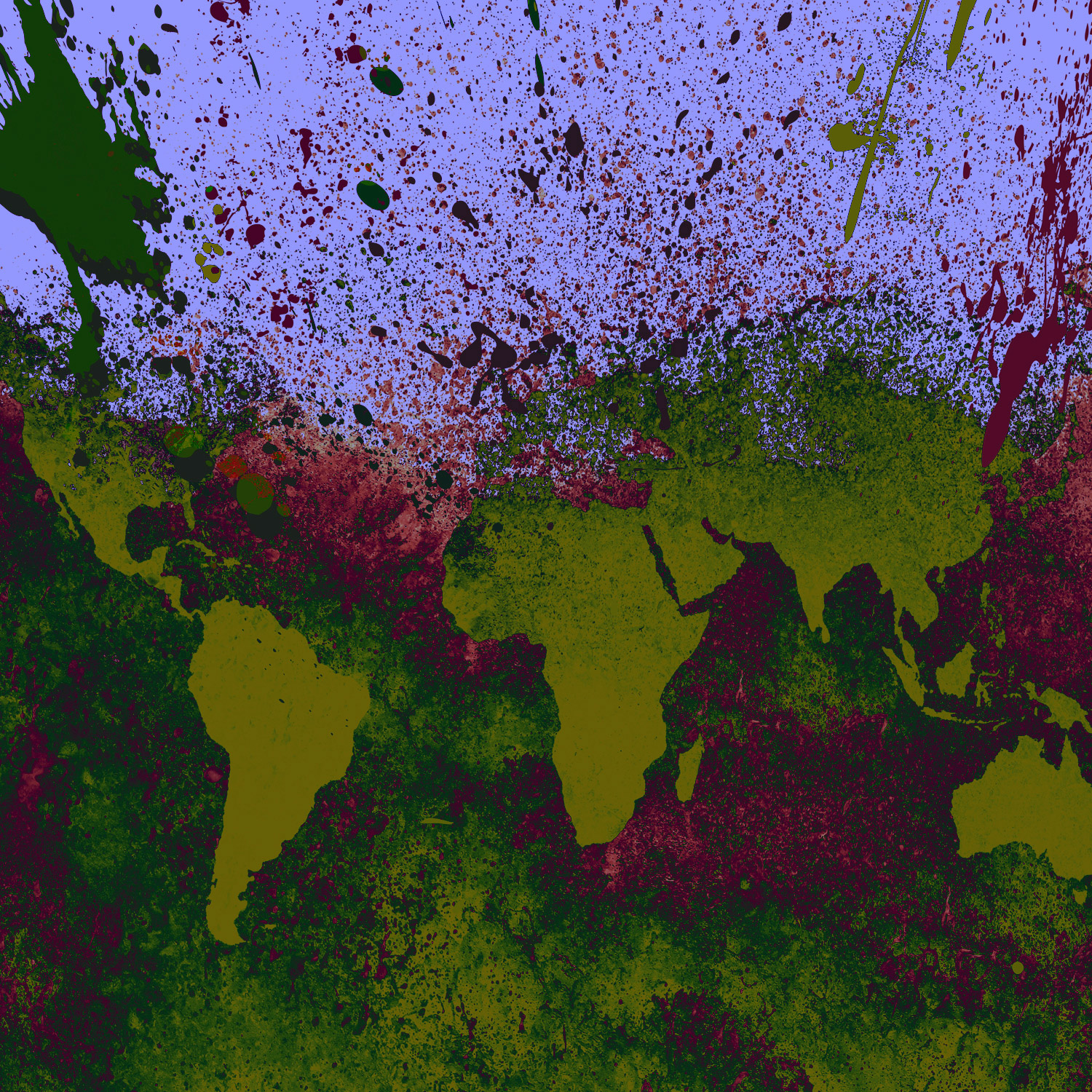
The idea that millions of years ago the earth was a frozen planet with mountains of towering ice and blankets of snow hundreds of feet thick is not a new one, but is that really how our world once looked? Two Geophysicists from the University of Chicago don’t think so.
Continue reading “Mudball Earth”
The Chicago Council on Science and Technology, National Geographic, and Project Exploration presented:
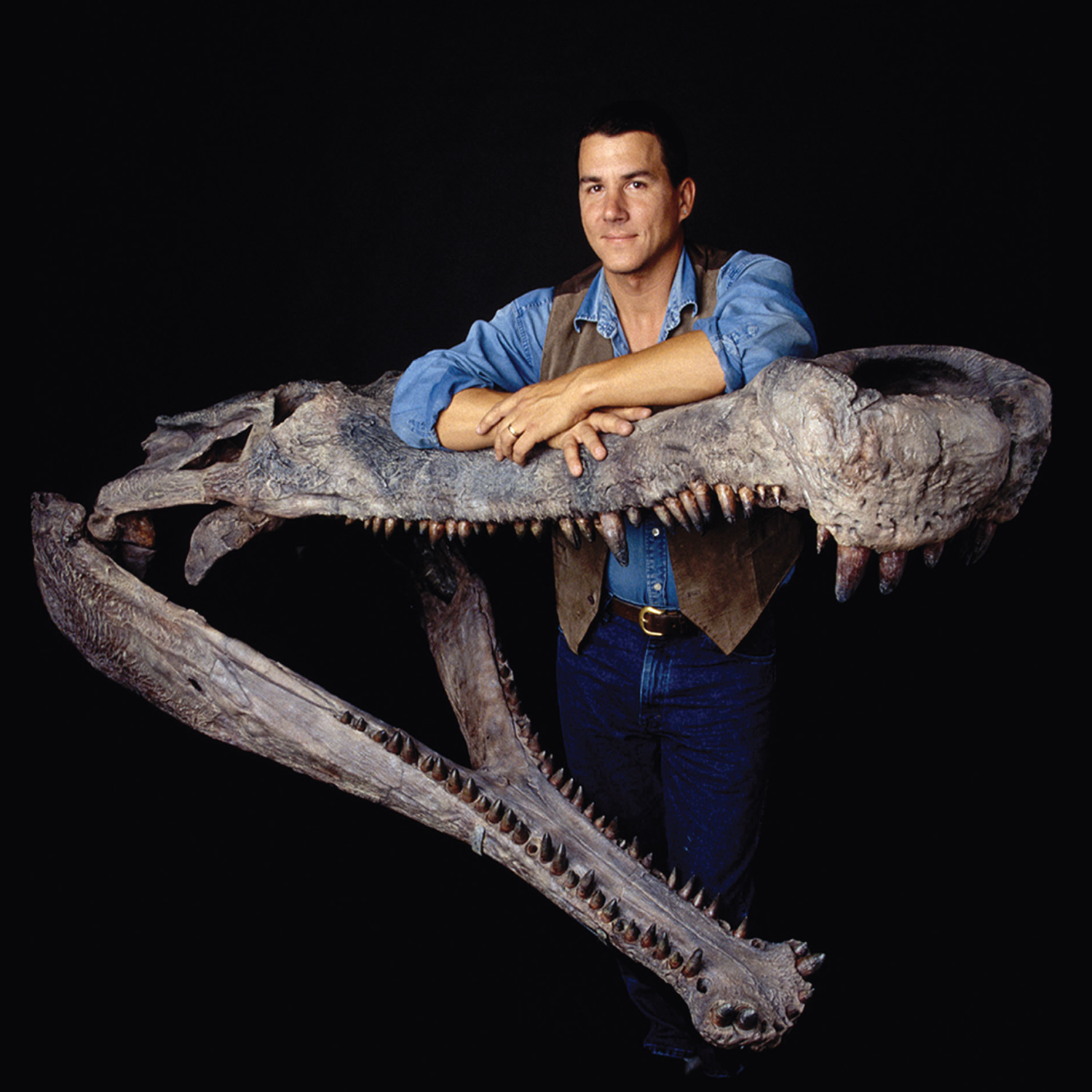
For a long time, the Age of Reptiles seemed to belong only to its “stars,” the dinosaurs — but not anymore. Thanks to strange fossils coming out of the Sahara and other places, we now know that it was a world full of bizarre and terrifying crocodiles as well — ones that not only rubbed shoulders with the dinosaurs — but sometimes ate them.
Continue reading “When Crocs Ate Dinosaurs”

Speaker: Debra Shore – Commissioner, Metropolitan Water Reclamation District
As the demand for fresh water increases, we can no longer think of this natural resource as having an endless supply. Finding safe and environmentally sound ways to reuse our water is becoming an issue of international concern.
Continue reading “Water: The New Oil?”