French Innovation Week is a celebration of French innovation and savoir-faire in Chicago and the Midwest.
The 5th Annual French Innovation Week will take place in May 2018 with a variety of events throughout the Midwest that showcase the best of French science, technology, innovation and more.
Continue reading “Immersion in the Nanoworld”
Watch the highlights here!
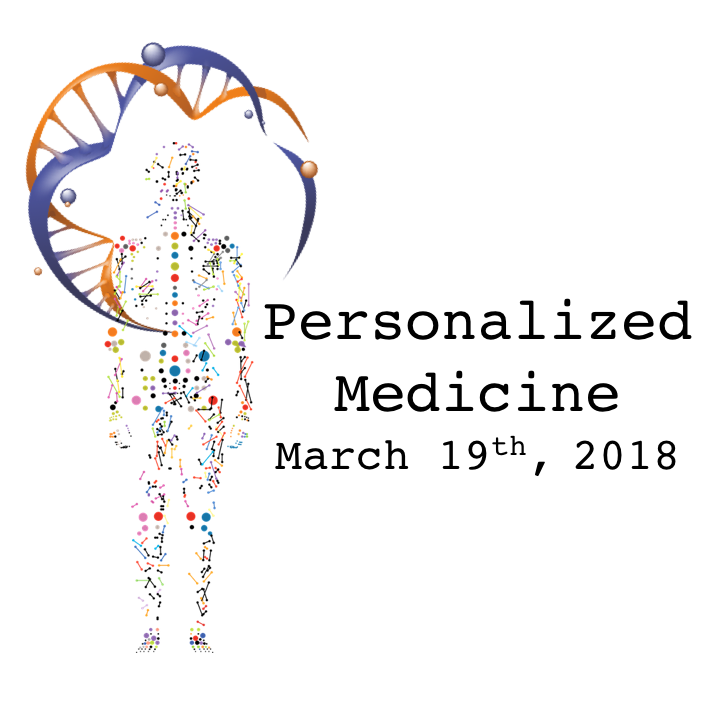
One size does not fit all!
How can knowing your genetic code help you? Genetic conditions, ones you are born with or are predisposed to, affect people of all ages, race, and gender. The treatment for these conditions are not so universal and recent research shows that patient-specific treatment can produce a better response and reduce the risk of side effects. Knowing what diseases you’re predisposed to can even allow you to take preventive actions to drastically decrease your chances of getting the disease. Continue reading “Personalized Medicine”
Watch the event here!
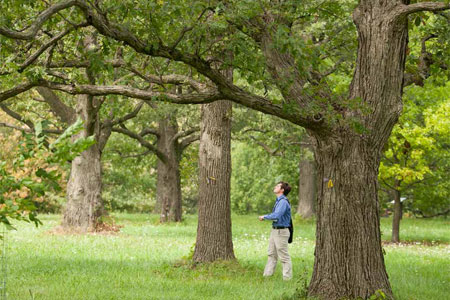
With extreme weather events, flooding, drought, and habitat fragmentation on the rise, will our trees be able to weather the storm? What will our parks, preserves, and urban landscapes look like in 50 or 100 years? Grab a drink at the bar (one drink is included in price of ticket), and join us for a compelling discussion led by moderator Jerome McDonnell of WBEZ Radio’s Worldview. Continue reading “The Future of Trees: Hope in a Changing Climate”